Canon’s House, Bristol
The low carbon retrofit of a Grade II Listed office building in Bristol's Harbourside with new roof extensions, landscaping, terraces and cycle facilities
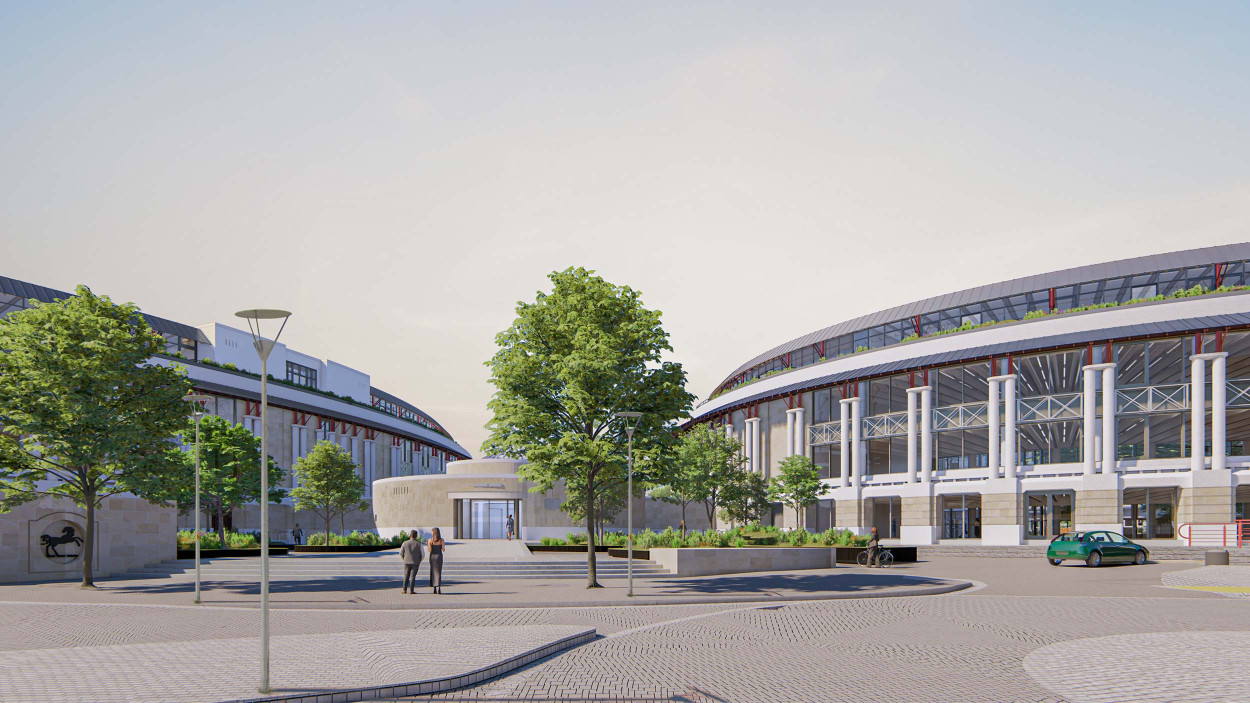
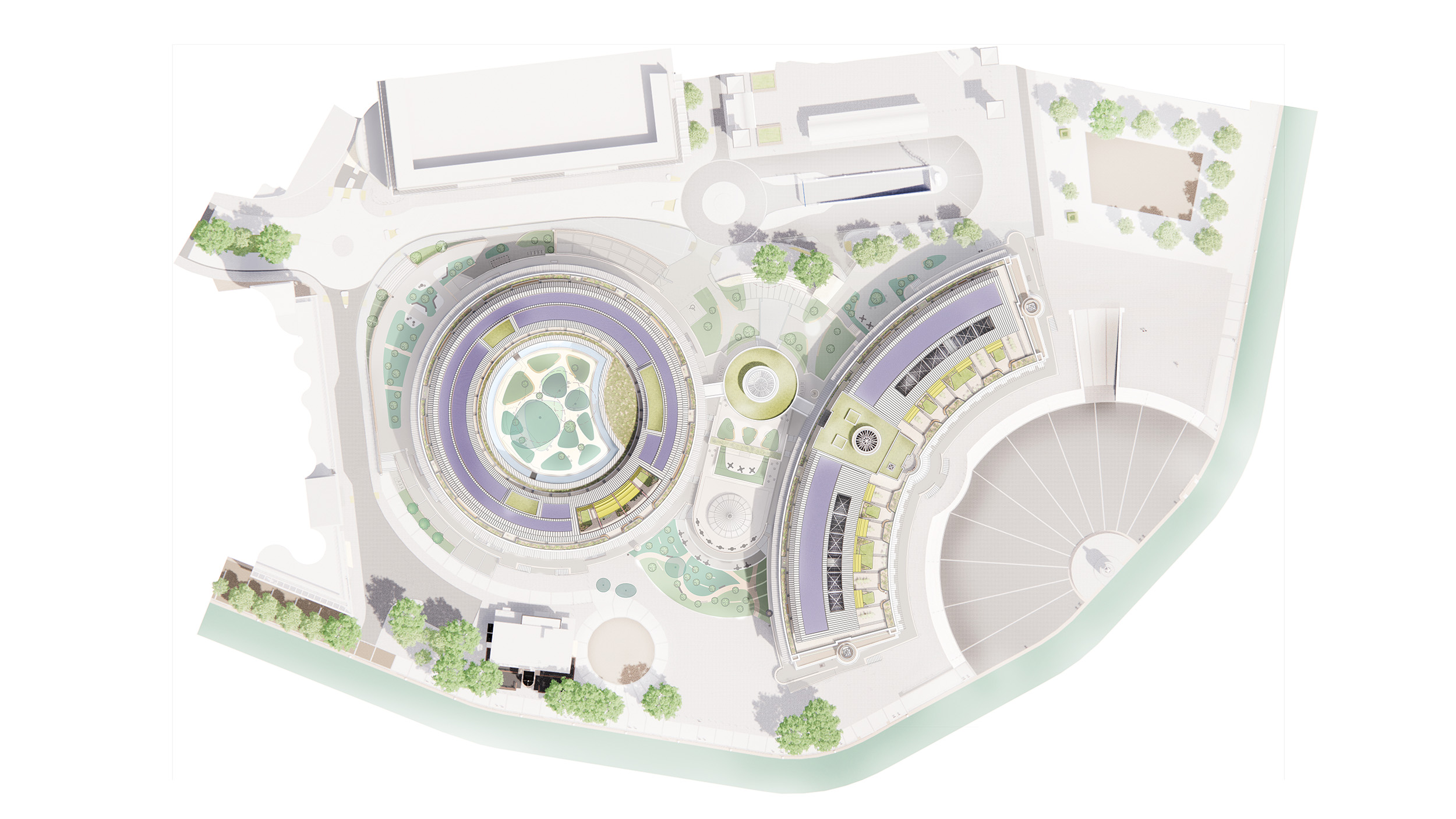
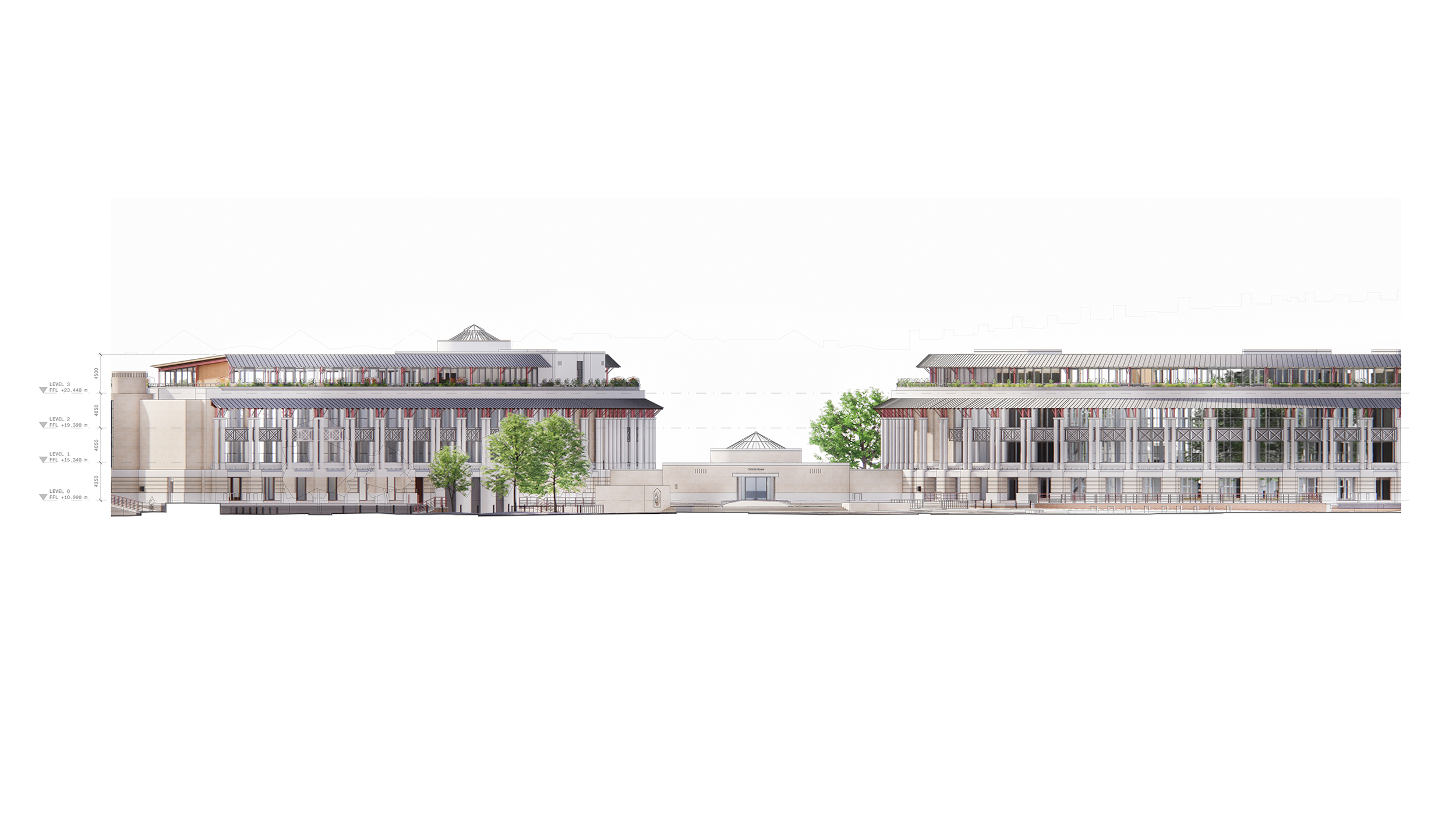
New landscaping softens the approach to the main entrance framed by the new rooftop extensions to Phase 1 & 2
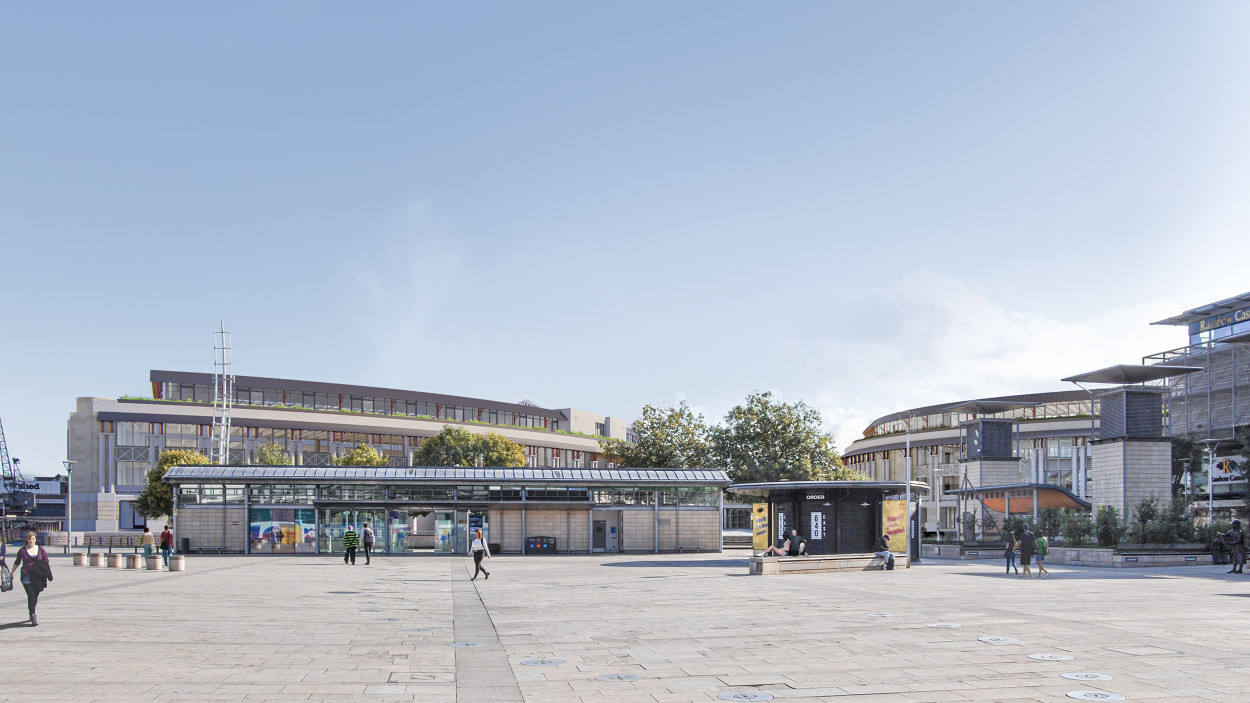
The rooftop extensions sit naturally in their context viewed from Millennium Square
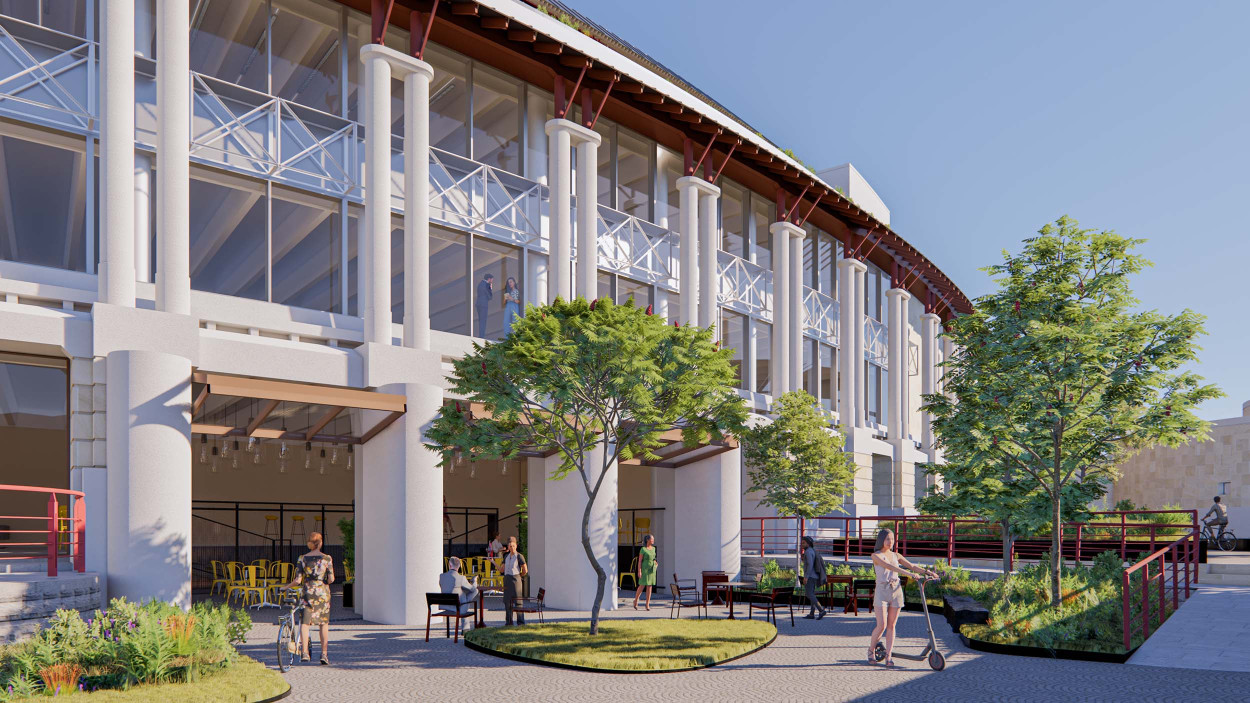
The old loading bay is transformed into a new café activating the approach to the buildings from the north
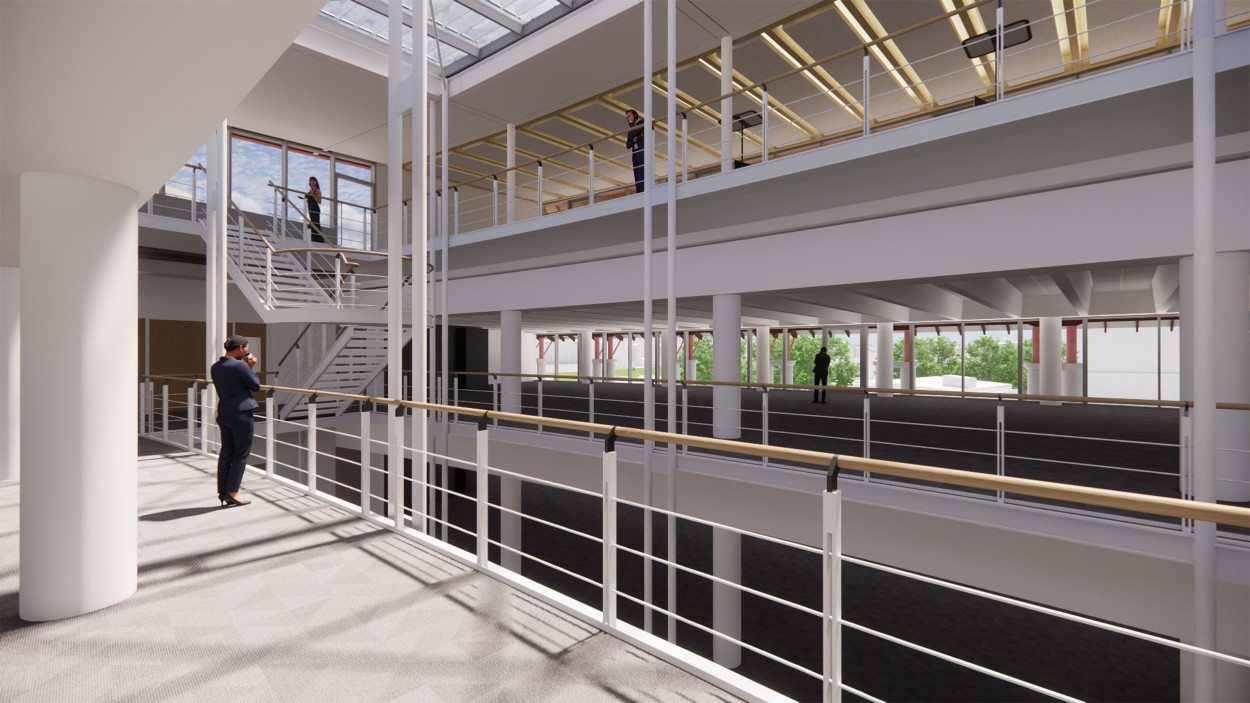
New internal stairs within the Crescent atrium connect the new and old office floors
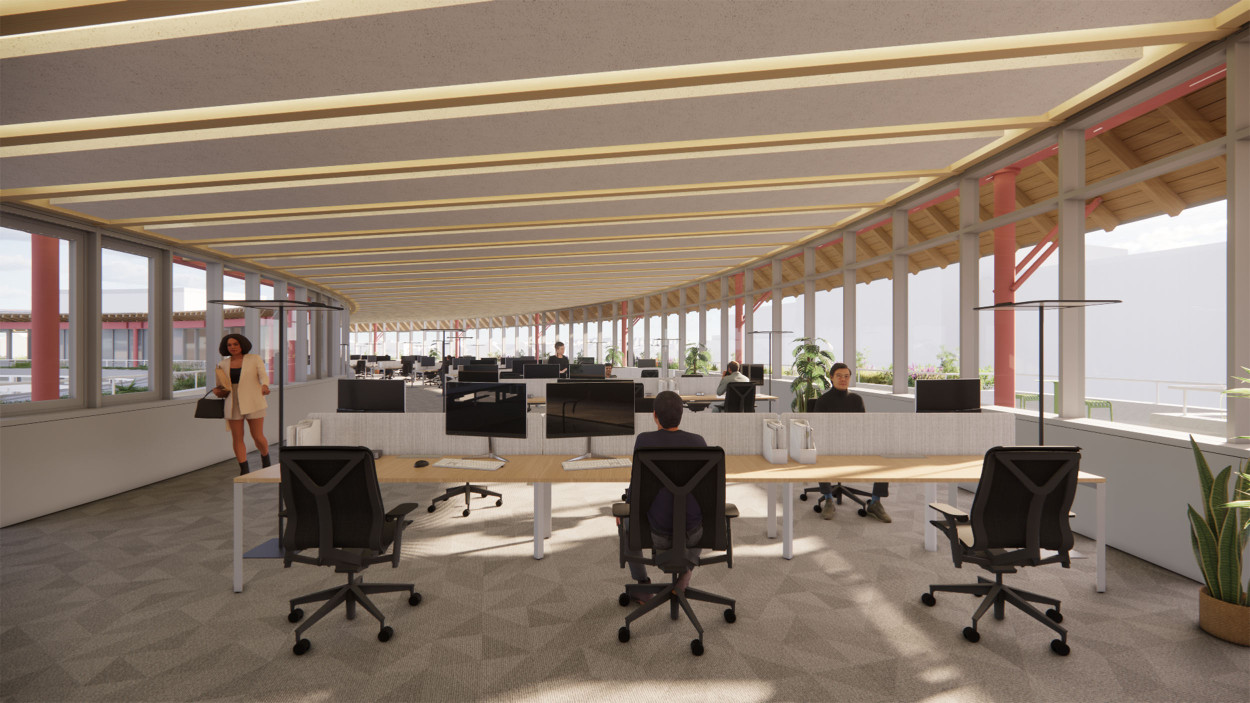
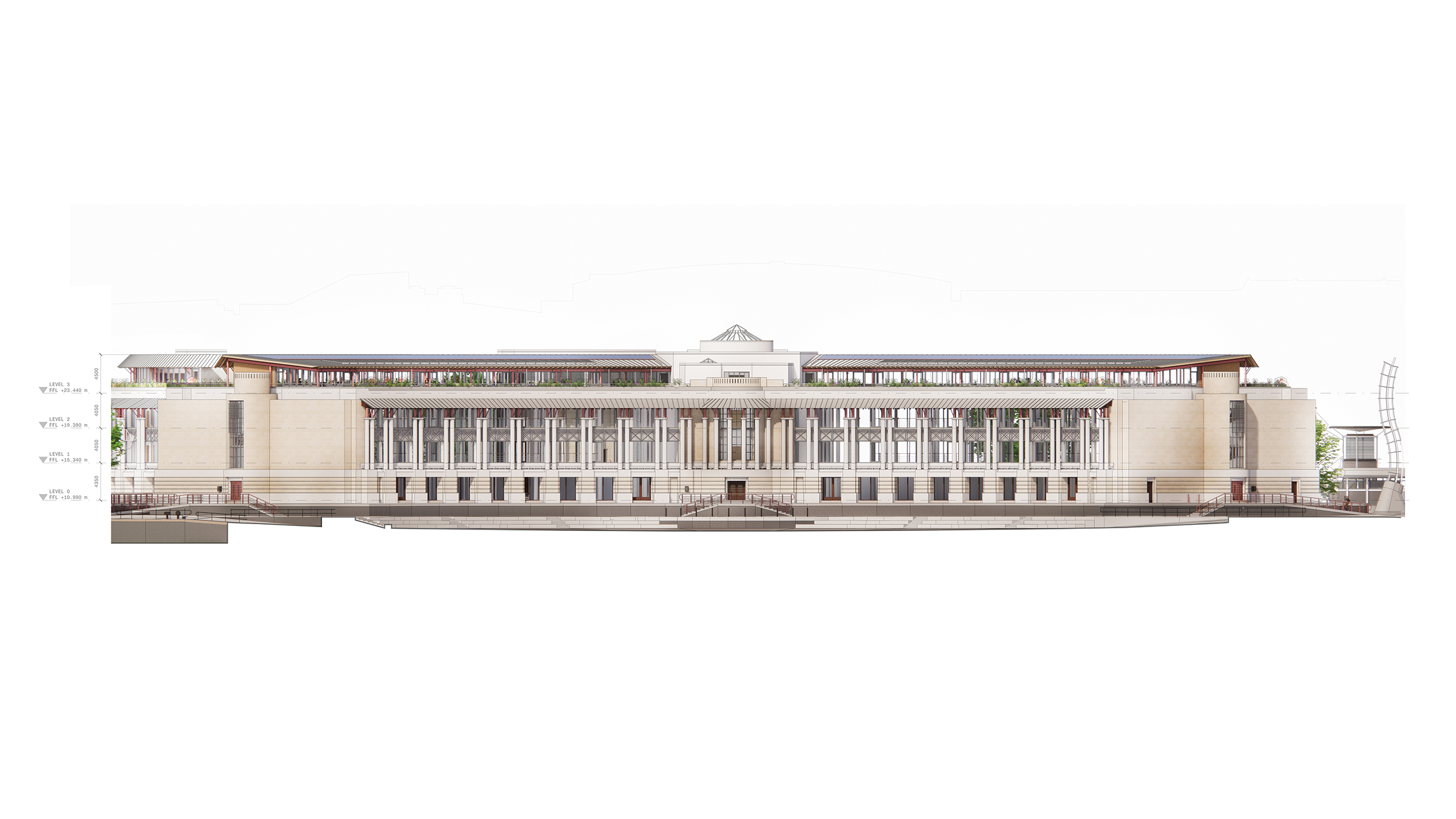
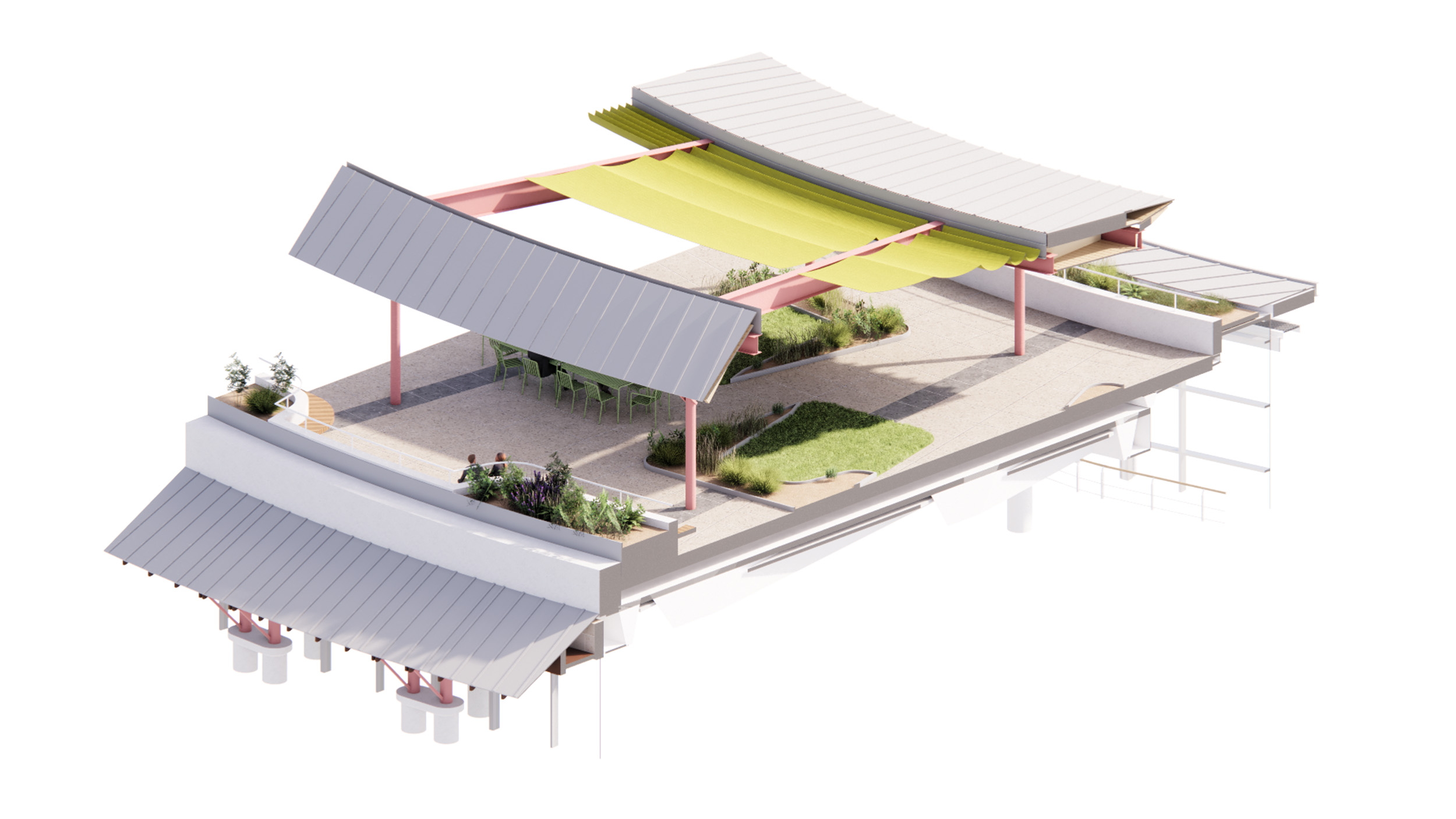
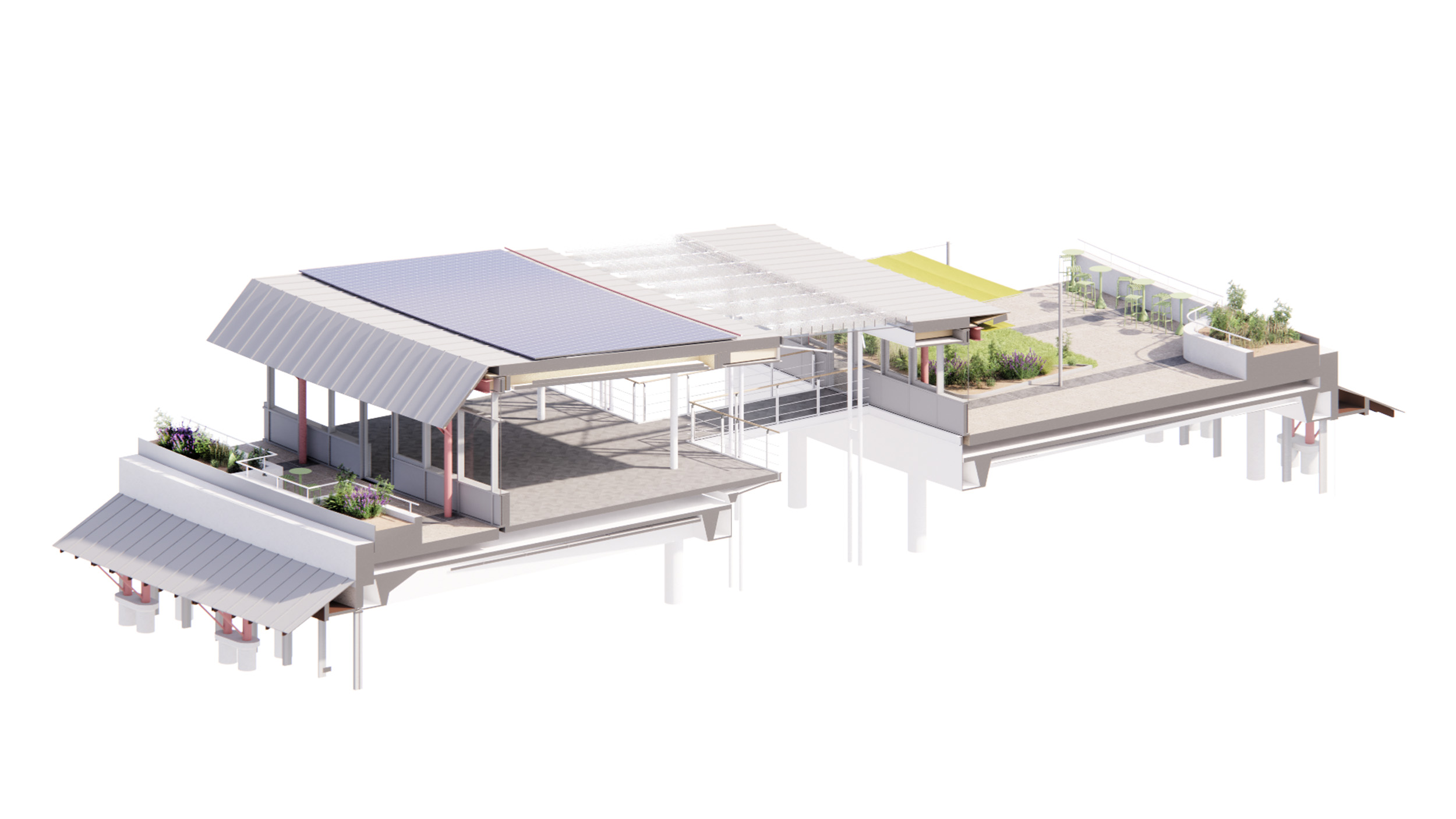
The new roof extensions are formed of large timber coffers - inspired by the existing concrete structure - with views across the city
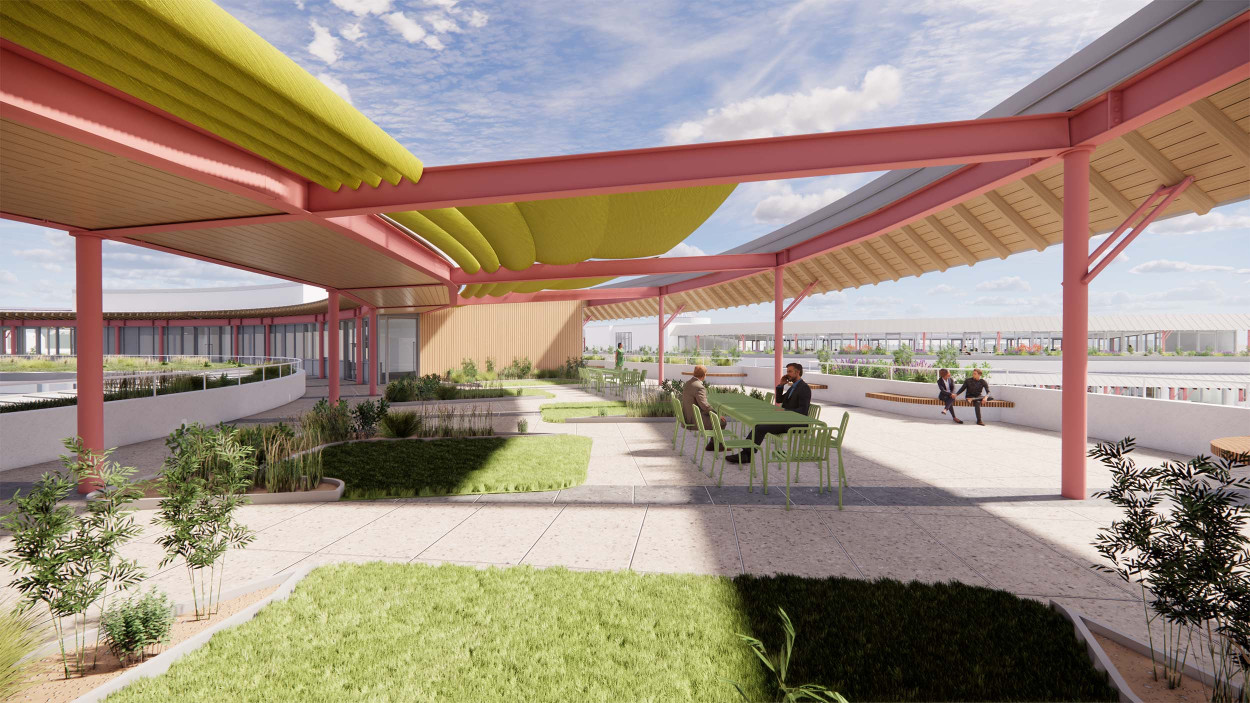
Large roof terraces with retractable shading and gardens overlook the city providing amenity for the building users
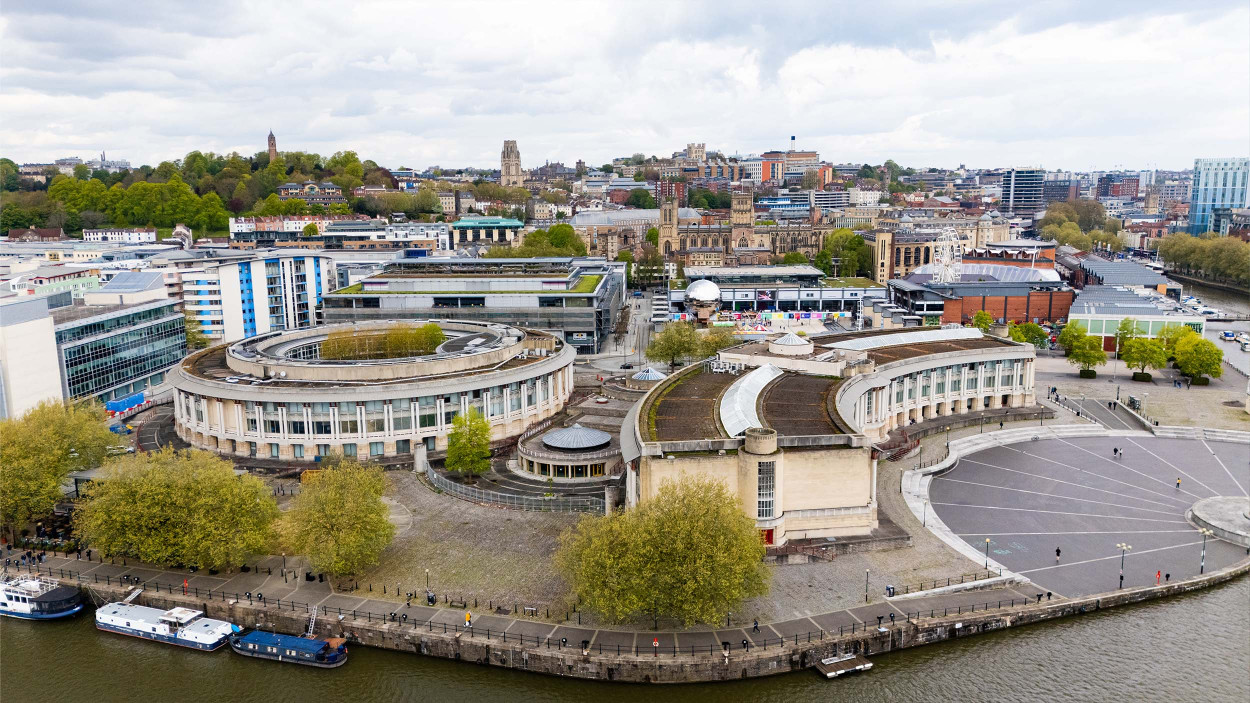
Aerial view of the existing buildings
Canon's House was built for Lloyds Bank between 1988-1991. Designed by Arup Associates, these important Postmodernist buildings were a pivotal part of the post-industrial re-purposing of Bristol's docks and have become a much-loved landmark on the Harbourside in the heart of the city. As with Mountbatten House, they represent an accomplished example of Ove Arup's principle of 'total design' with its interdisciplinary approach to the design of buildings. The buildings were Grade II listed in 2023.
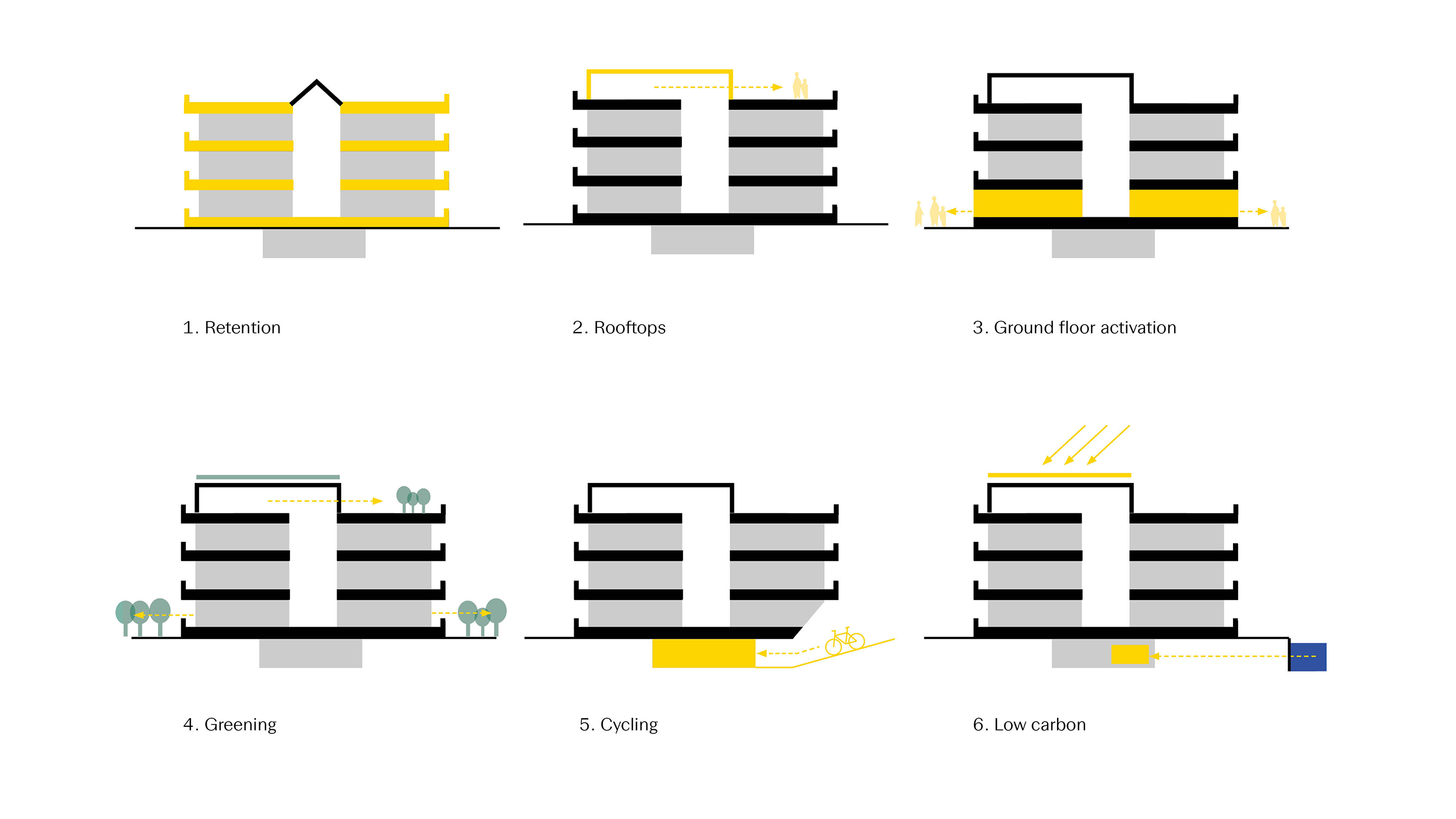
The project presented two major opportunities. First, improving the connection with the city at ground through the creation of active frontages, landscaping and placemaking. Second, creating access to the large roofs of both buildings to create roof terraces with far-reaching views across the city.
The existing office space is celebrated and upgraded to provide adaptable space for 21st century office use. New single storey roof extensions to both phases - formed from large timber coffers inspired by the existing concrete coffers - create bright, naturally ventilated office space accessing roof terraces of different sizes and character. A Tenant Fit-out Guide, developed as part of the planning application, provides a flexible ‘kit-of-parts’ to enable tenants to adapt their space without needing to seek new Listed Building Consent.
The existing water source heat pumps that use the harbour dockwater to heat and cool the buildings are upgraded and powered by new photovoltaic panels integrated into the new extensions. Emphasis is given to cyclists through the creation of new cycle and changing facilities in the old basement plant rooms and car parks.
At ground, the existing uninviting public realm is brought to life through planting, trees and seating that, together with the introduction of cafés and restaurants, connects the buildings with the city so that they become a catalyst for a more vibrant and active Harbourside.
Project Information:
Client: Longstock Capital with Mactaggart Family & Partners
Size: 30,000sqm GIA
Status: Planning
Sustainability: Targeting BREEAM Outstanding